

-
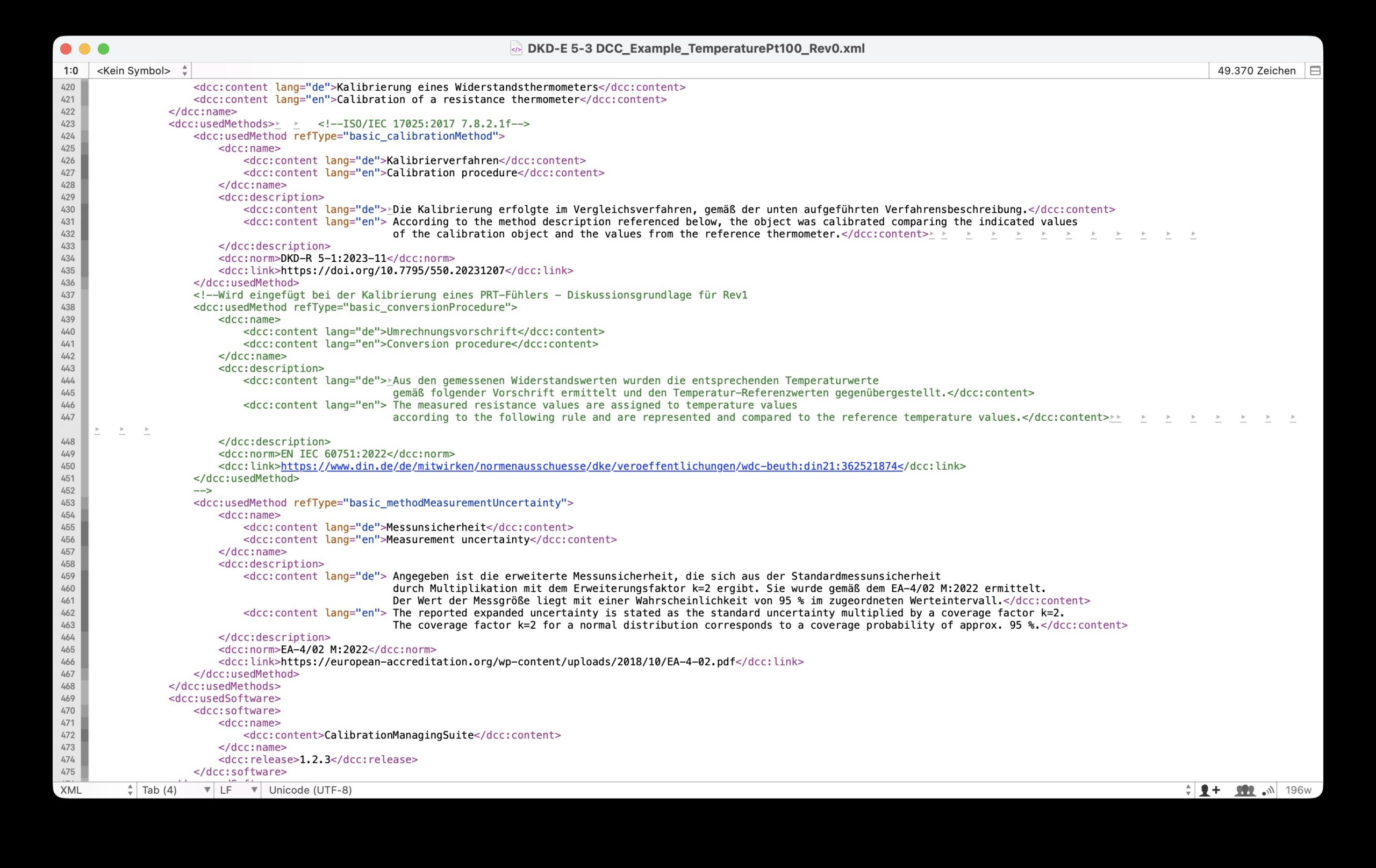
From Calibration Certificate to Digital Calibration Certificate (DCC) – Mapping Temperature Calibrations in a Structured Digital Format
Introduction For decades, calibration certificates have been the central means of communication between the calibration laboratory and the user. They document traceable measurement results, measurement uncertainties, and relevant boundary conditions—however, in practice, they are almost always provided as PDFs and are therefore primarily intended for human interpretation. For databases, LIMS systems, or automated evaluations, this information can…
-
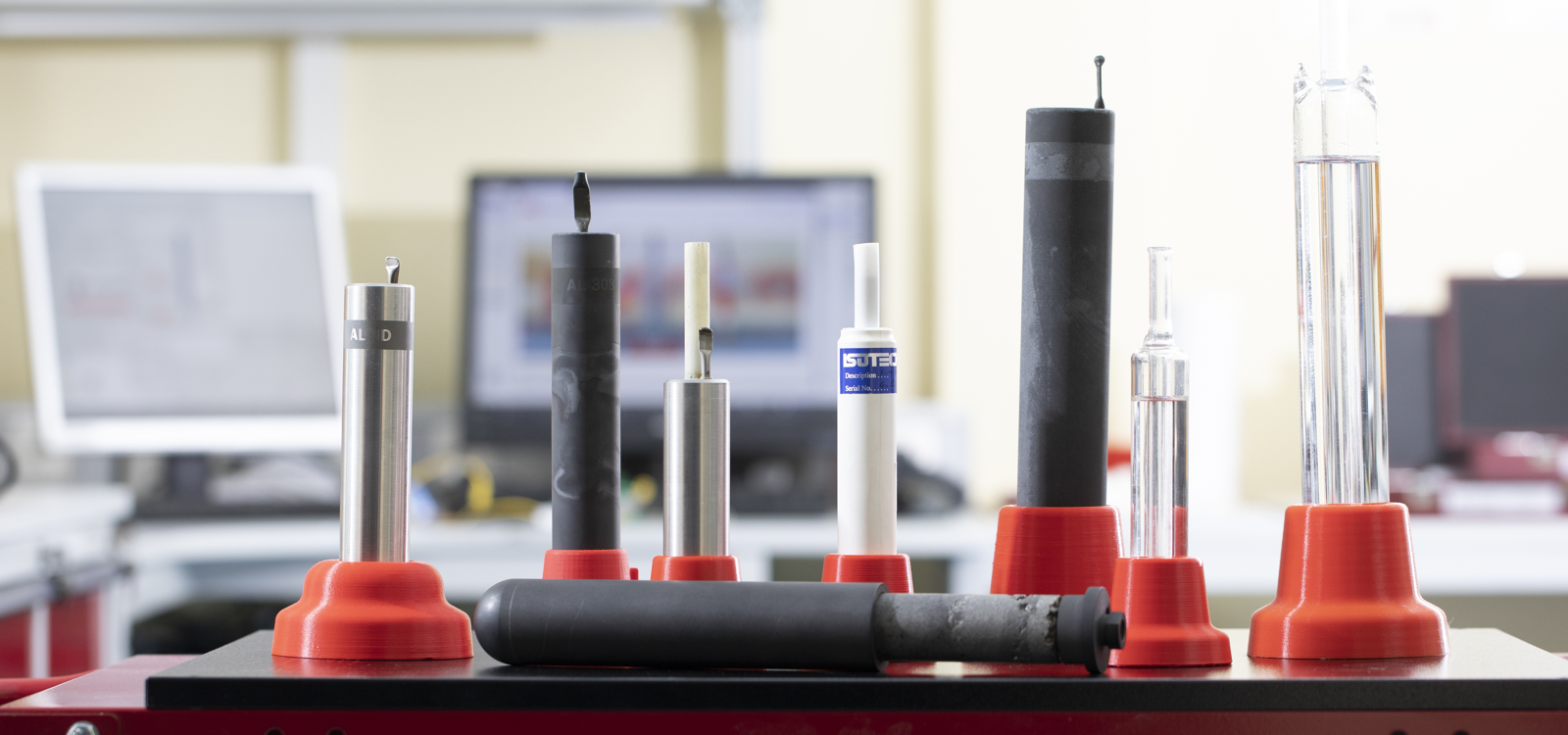
Temperature Fixed Points of ITS-90
The International Temperature Scale of 1990 (ITS-90) defines a series of fixed reference points (temperature fixed points) at which thermometers – especially standard platinum resistance thermometers (SPRTs) – are calibrated. The relevant temperature fixed points are in the temperature range of approximately -190 °C to 1000 °C (83.8 K to 1235 K). In this temperature range, nine…
-
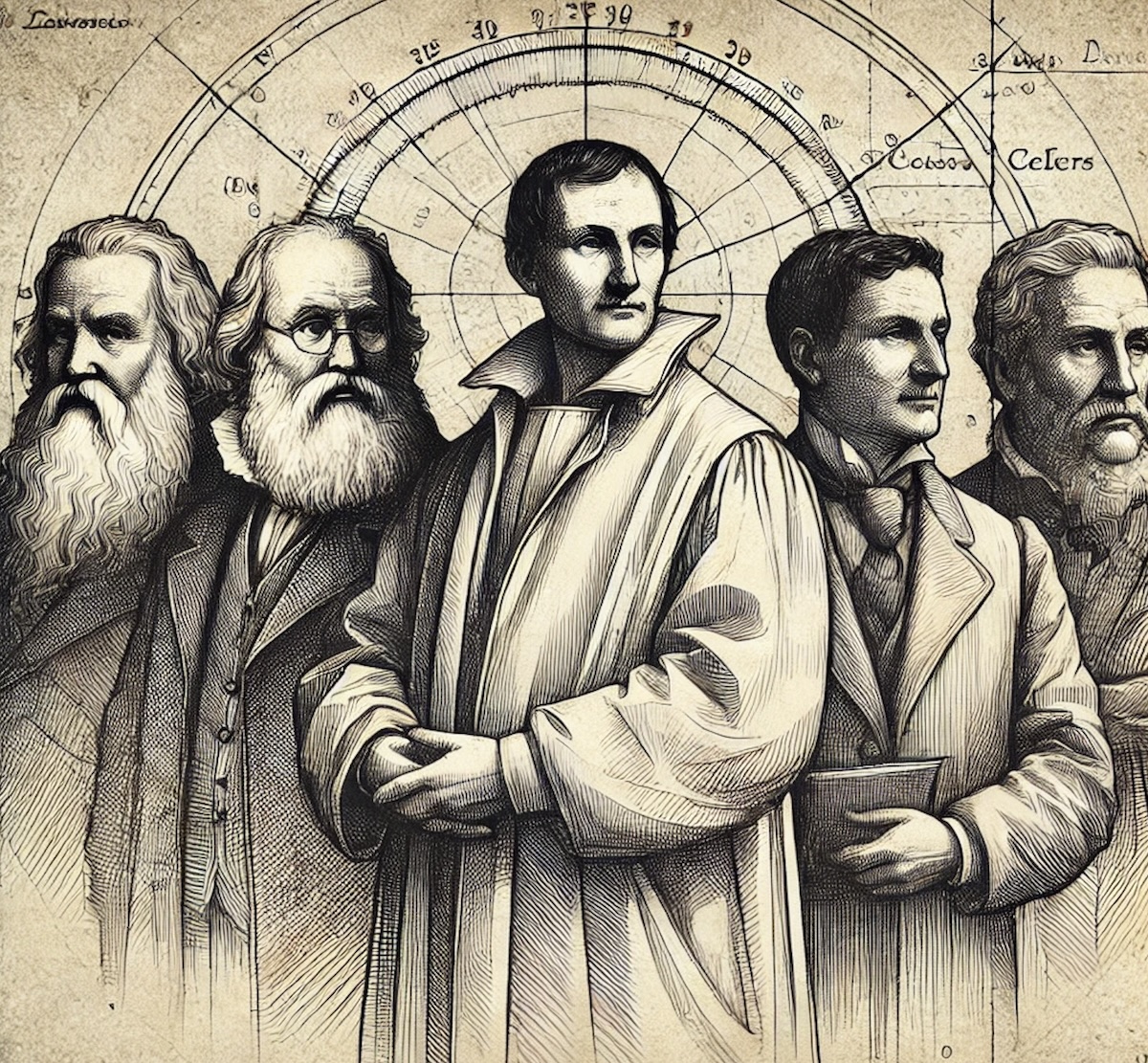
The History of Thermometry – From the Beginnings to Precision
Temperature Pioneers: On the Shoulders of Giants The history of thermometry is a story of discoveries, errors, and groundbreaking insights. It begins with the first attempts of antiquity to understand heat and cold, leads through the ingenious simplicity of Galileo Galilei’s thermoscope, to the high-precision Standard Platinum Resistance Thermometers (SPRTs) of our time. Every advancement in the…
-
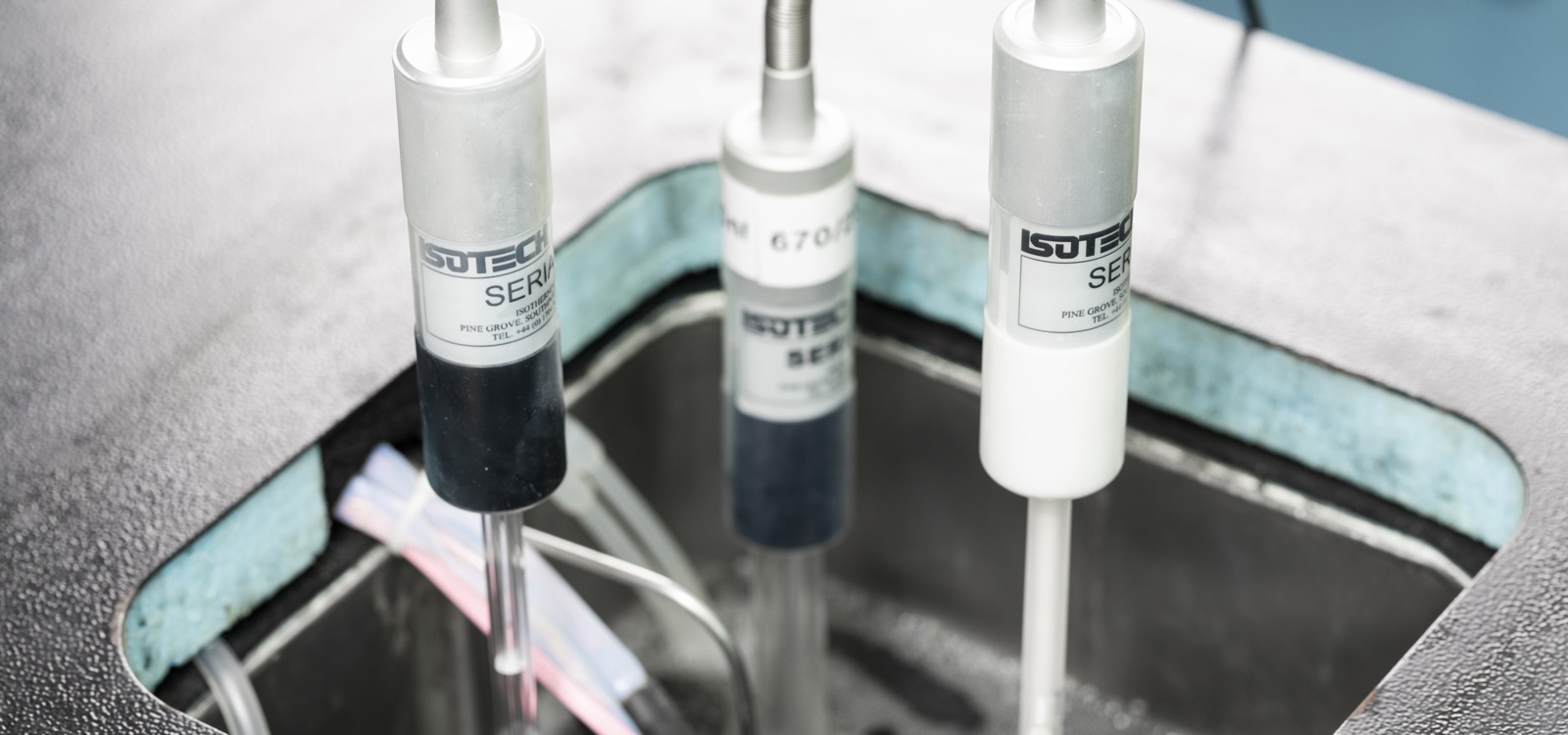
Temperaturkalibrierung
Temperature calibration is a crucial process across many industries, ensuring the accuracy and reliability of temperature measurement instruments. These instruments are used in various applications such as manufacturing, healthcare, research, and energy production. Inaccurate readings can lead to production issues, safety hazards, and increased costs. By comparing temperature measurement instruments to certified reference standards, calibration ensures compliance…
-
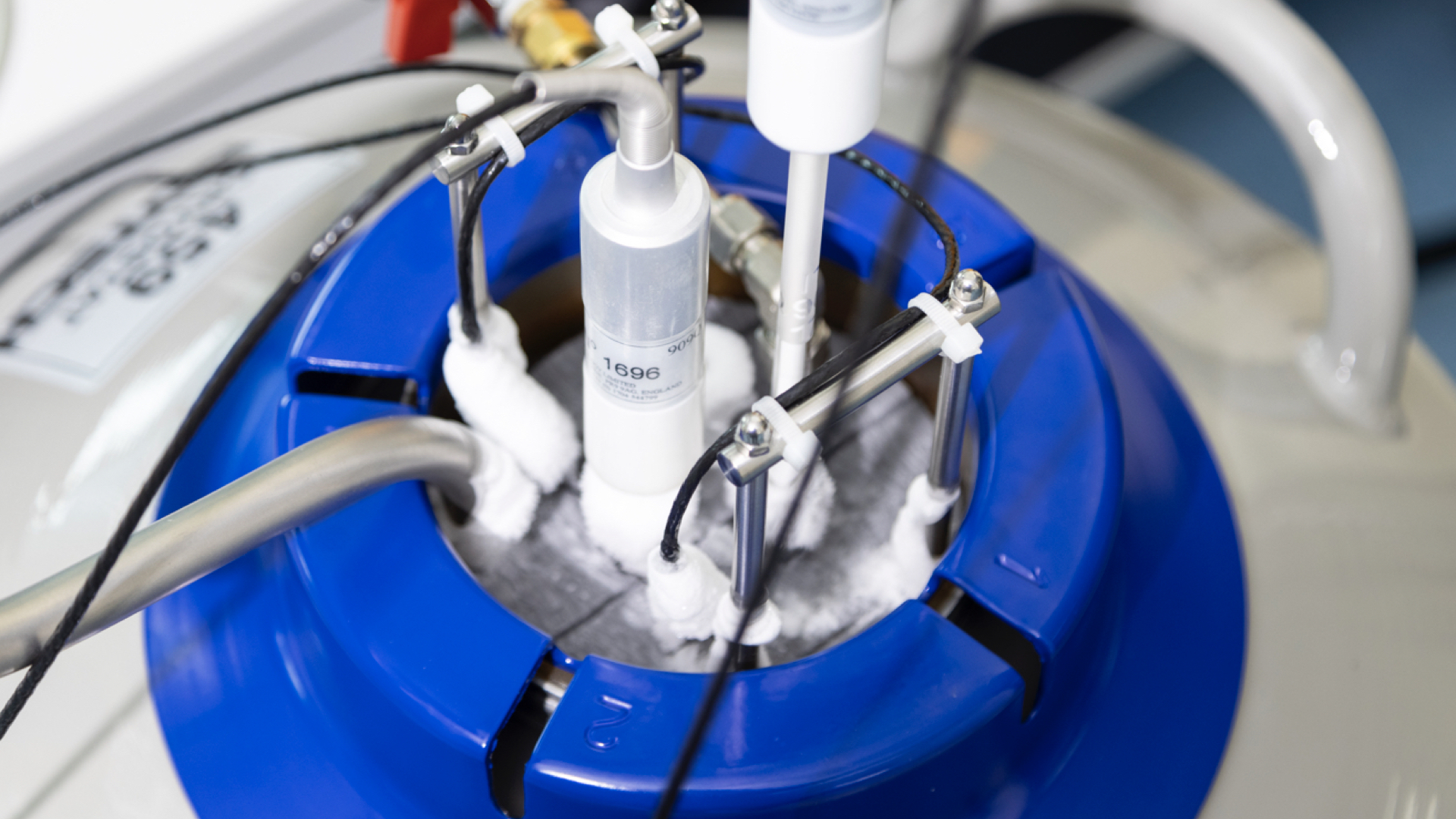
Calibration of thermometers at extremely low temperatures (-80 °C to -180 °C)
The calibration of thermometers at extremely low temperatures, ranging from -80 °C to -180 °C, represents a significant technical challenge. This article describes the technical possibilities for calibrating thermometers at these extremely low temperatures.
-
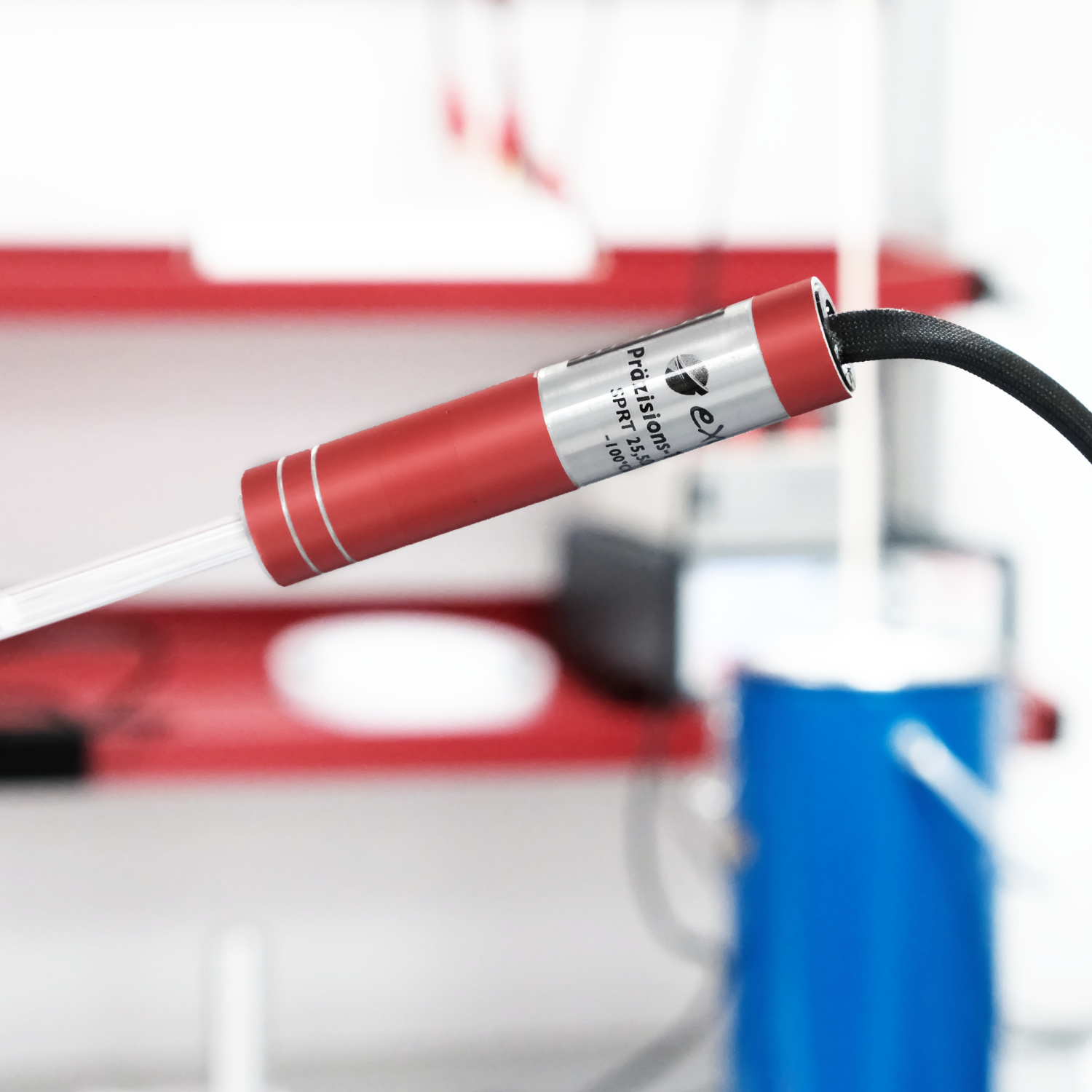
Standard-Platin-Widerstandsthermometer (SPRT)
Einführung Standard-Platin-Widerstandsthermometer (SPRTs) sind hochpräzise Thermometer, die den elektrischen Widerstand von Platin nutzen, um Temperaturen mit höchster Genauigkeit und Reproduzierbarkeit zu messen. Die Internationale Temperaturskala von 1990 (ITS-90) verwendet SPRTs als Interpolationsinstrument, um eine weltweit einheitliche und verlässliche Basis für Temperaturmessungen und Temperaturkalibrierungen zu etablieren. Was sind SPRTs und warum sind sie wichtig? In the world of…
-
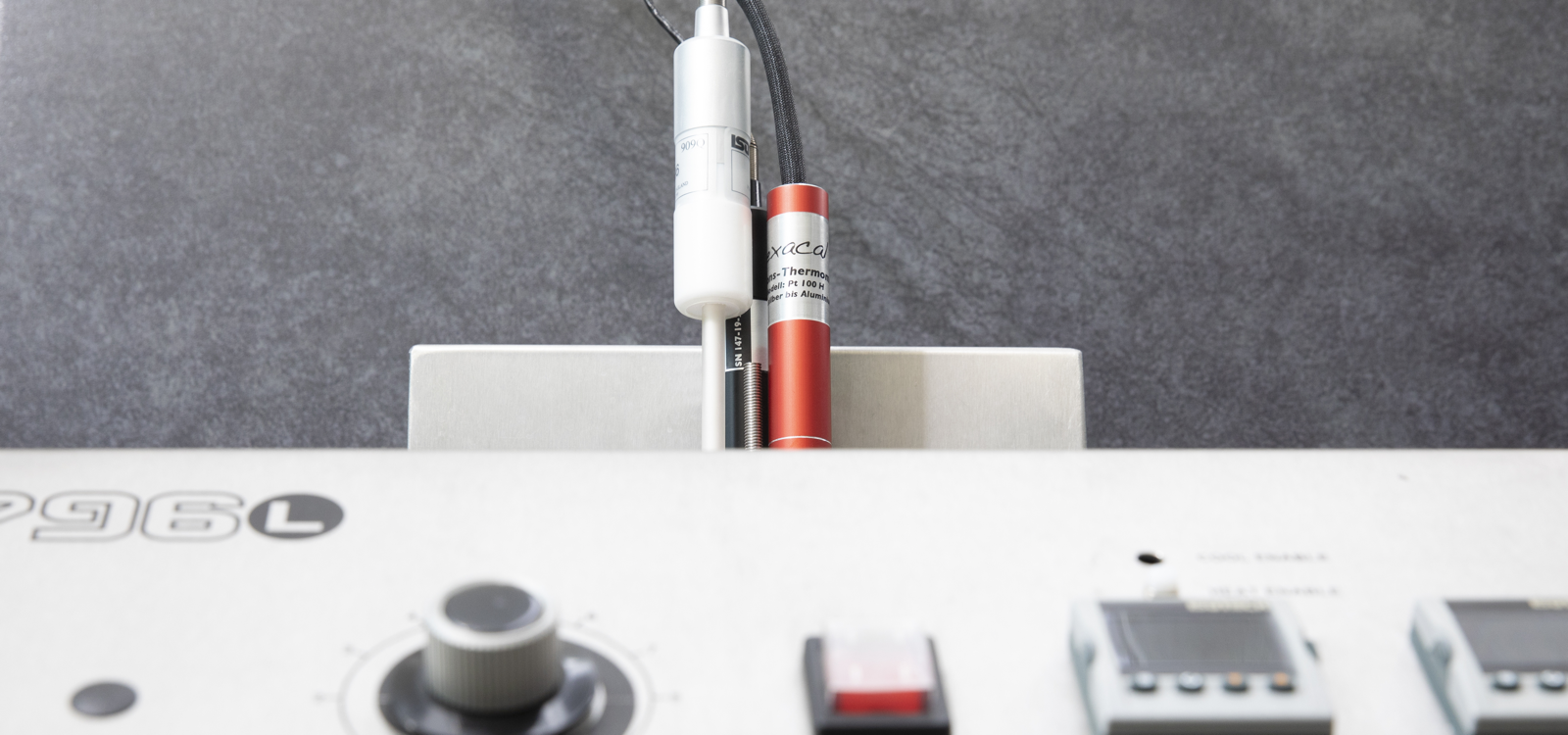
Thermometer Calibration
Thermometer calibration is the process of ensuring that a thermometer provides accurate temperature measurements. This is accomplished by comparing the thermometer’s readings with a reference standard (for example, a temperature fixed point) or a known temperature source (comparison calibration). The goal of calibration is to identify any deviations or errors and, if necessary, make adjustments so that…
-
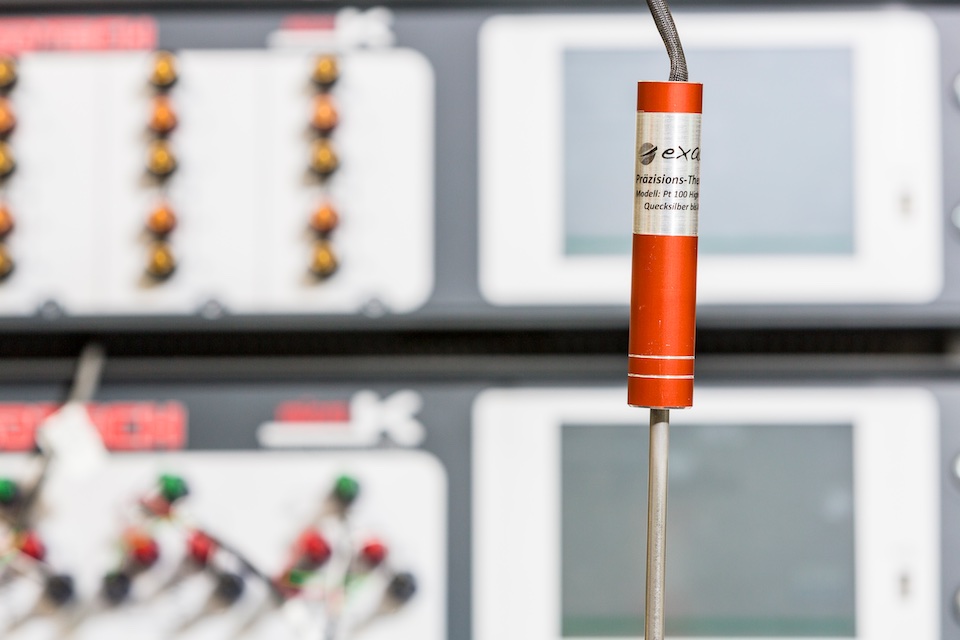
Resistance Thermometers: Functionality and Application
Resistance thermometers Pt100 are precise temperature sensors widely used in a variety of industrial and scientific applications. Their principle is based on the variation of electrical resistance of a platinum wire depending on temperature. The ‘Pt’ in Pt100 stands for platinum, the material the wire is made of, and the ‘100’ indicates that the resistance at 0°C…
-
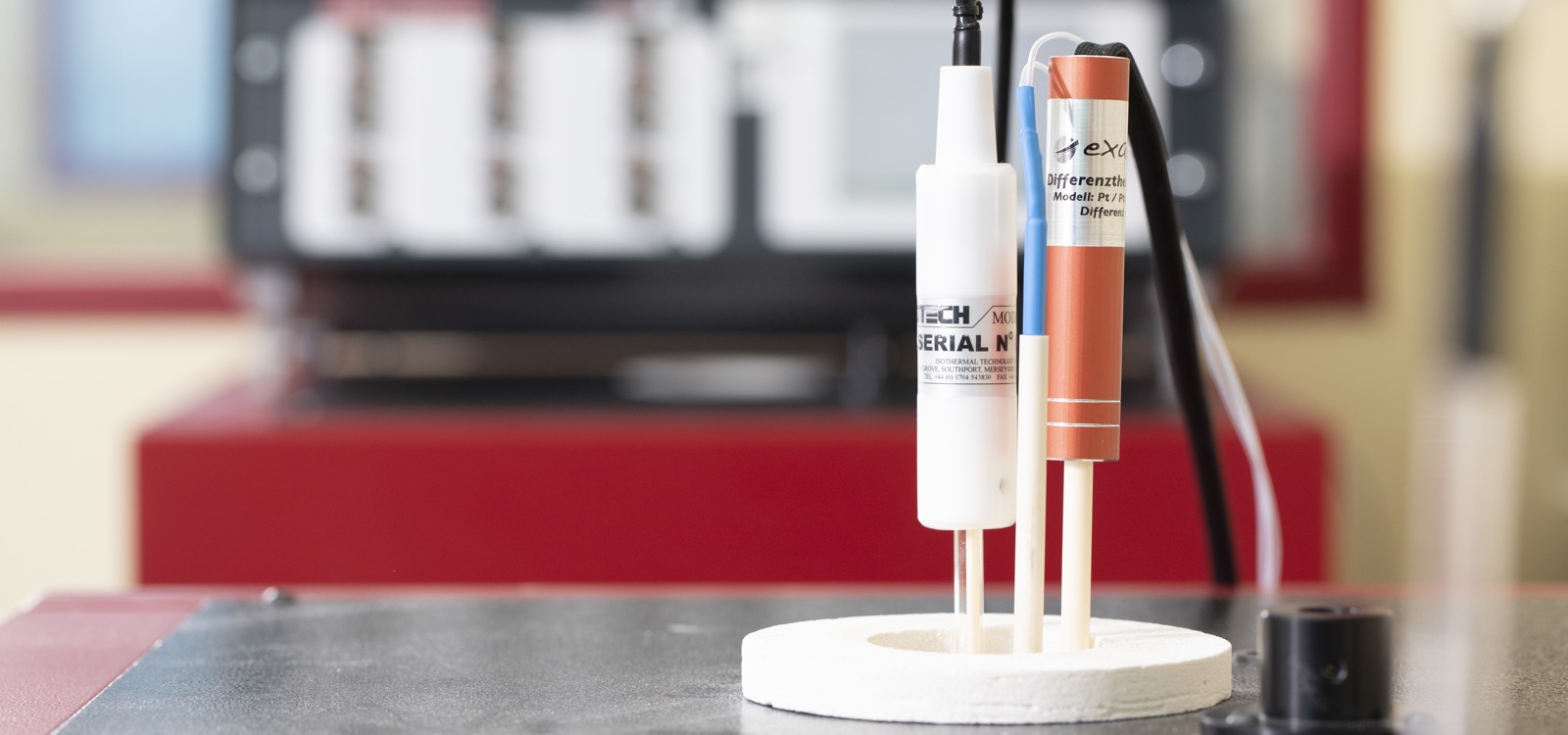
Thermocouples: Function and Application
Thermocouples are thermometers widely used in industrial temperature measurement. They are particularly suitable for measuring high temperatures. But how do thermocouples work? How can you measure temperatures with two simple wires? The key to understanding lies in the Seebeck effect. Background The Seebeck effect, first described by Thomas Johann Seebeck in 1821, is the phenomenon where a…
-
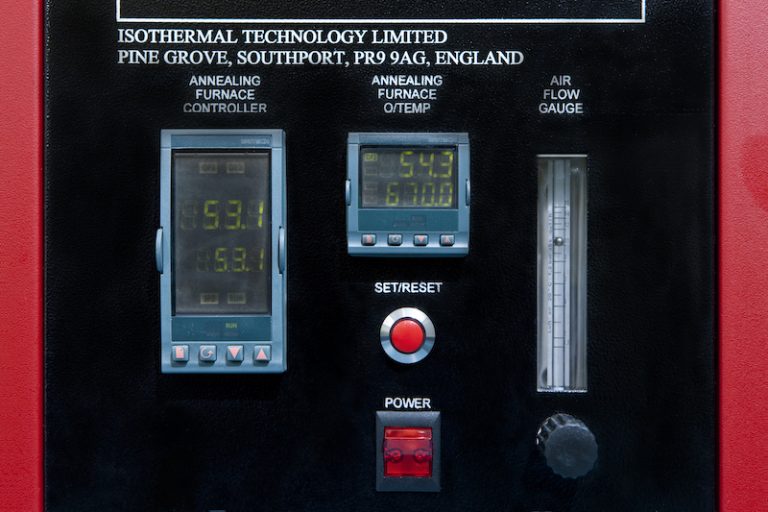
Stabilization of thermometers
Controlled tempering increases the stability of thermometers. In temperature measurement, stabilization helps to improve the accuracy and lifespan of thermometers. In the DAkkS calibration laboratory (accredited according to DIN EN ISO/IEC 17025) of Klasmeier, various temperature sensors such as standard thermometers, reference thermometers, SPRTs, HTPRTs, Pt100 and Pt25 are used. These sensors undergo a defined temperature cycle…
-
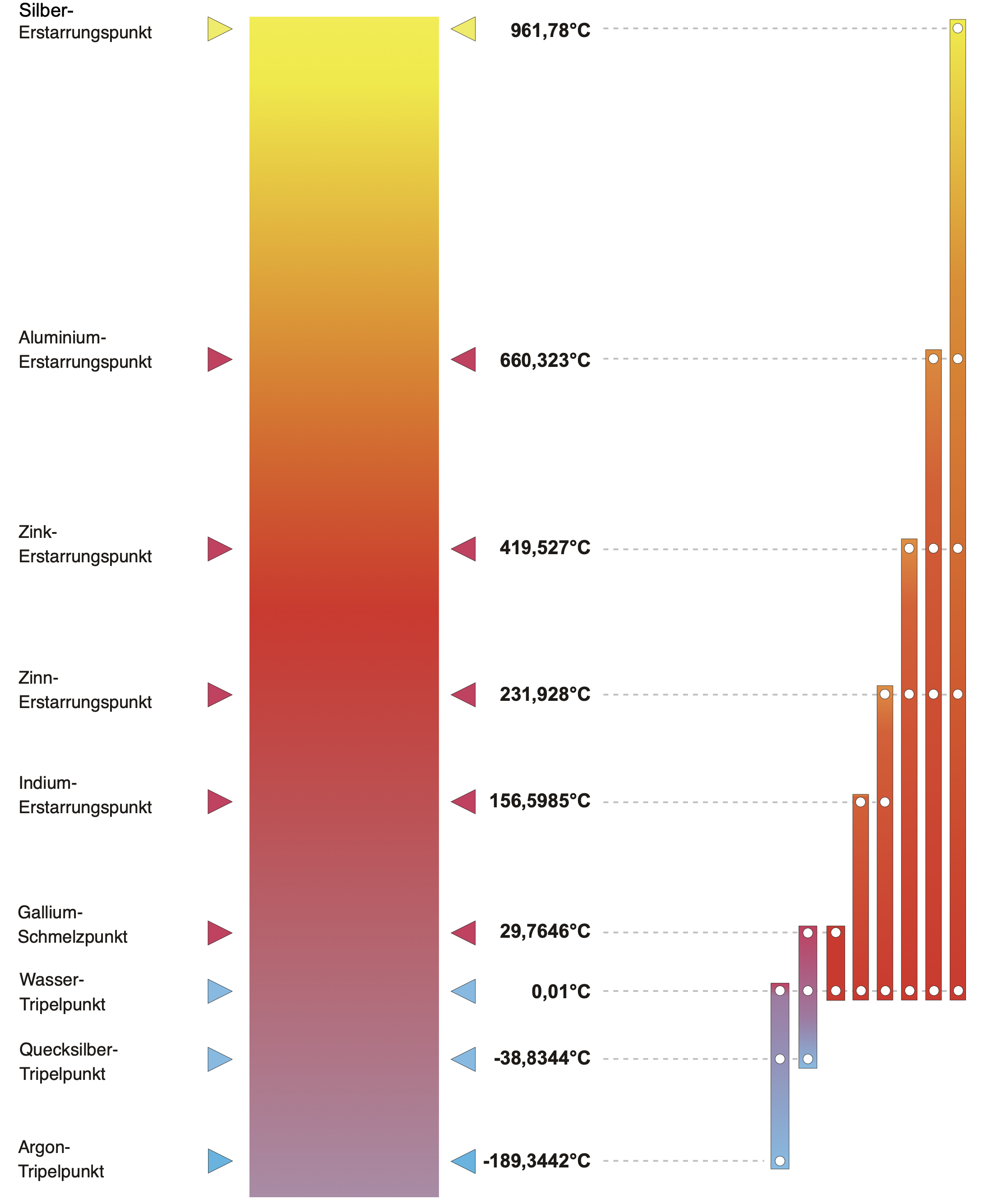
The International Temperature Scale of 1990 (ITS-90)
The International Temperature Scale of 1990 (ITS-90) is a globally recognized temperature scale introduced by the International Committee for Weights and Measures (CIPM). It serves as a global standard for precise temperature measurements and is based on the concept of thermodynamic temperature. The ITS-90 is a revised version of the previous International Practical Temperature Scale of 1968…
-
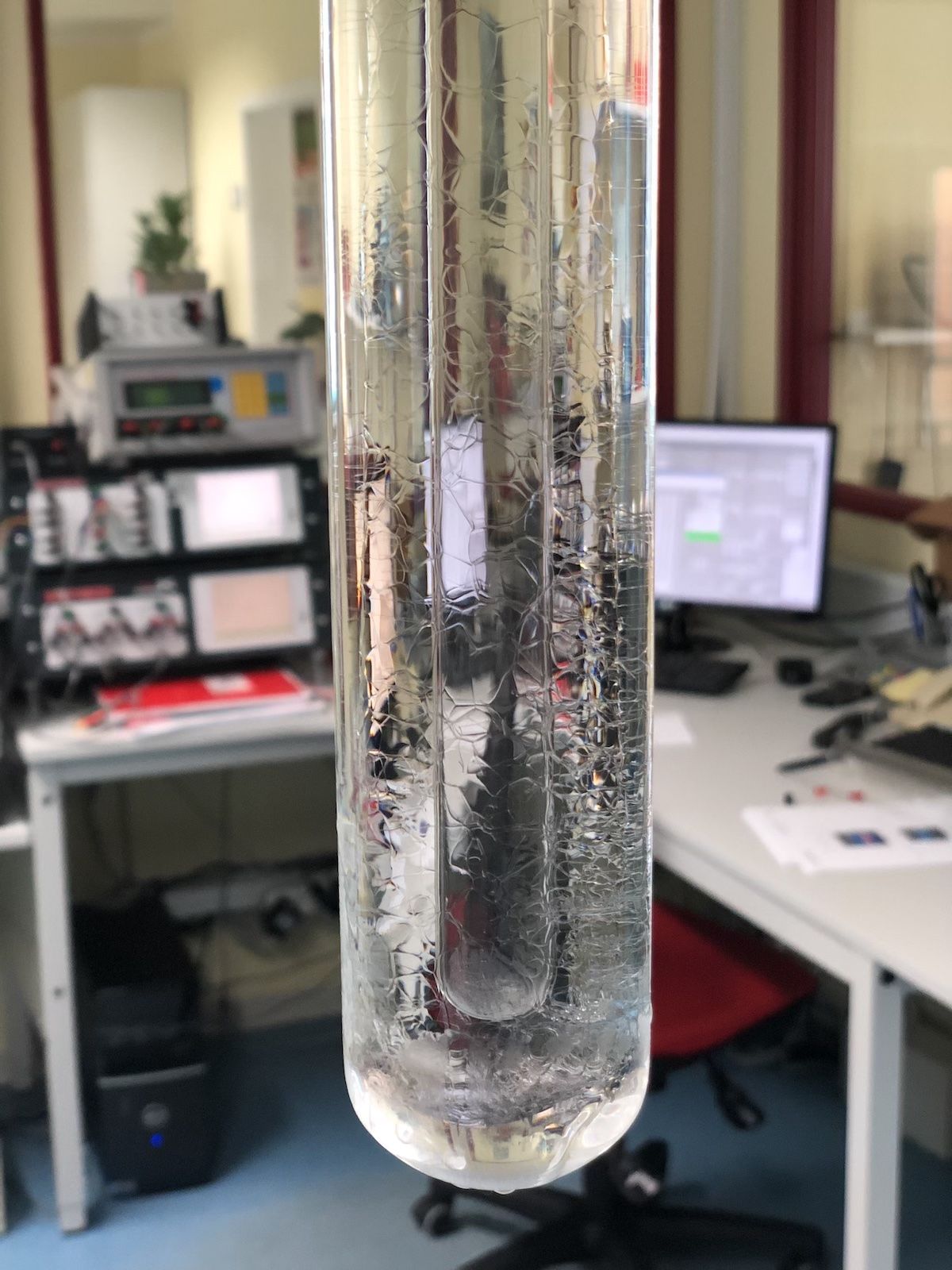
Water triple point
The water triple point is a specific state where water exists simultaneously in all three phases (solid, liquid, and gaseous) in thermodynamic equilibrium. The water triple point is an important reference temperature for calibrating temperature sensors and thermometers. Basic knowledge The water triple point occurs at a specific pressure, typically defined as 611.657 Pa (0.0060366 atm). At…

Measurement results you can rely on: temperature measurement, calibration service and seminars from Klasmeier.


